By: FlySafe Research
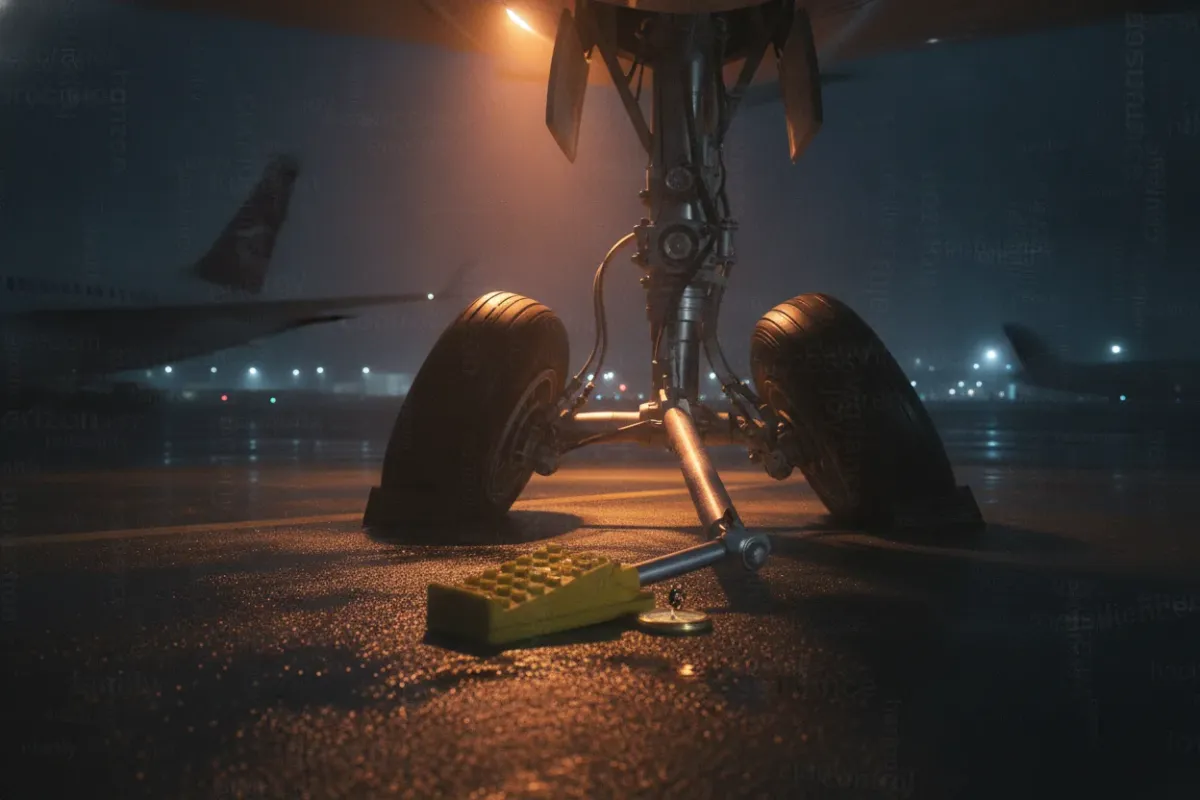
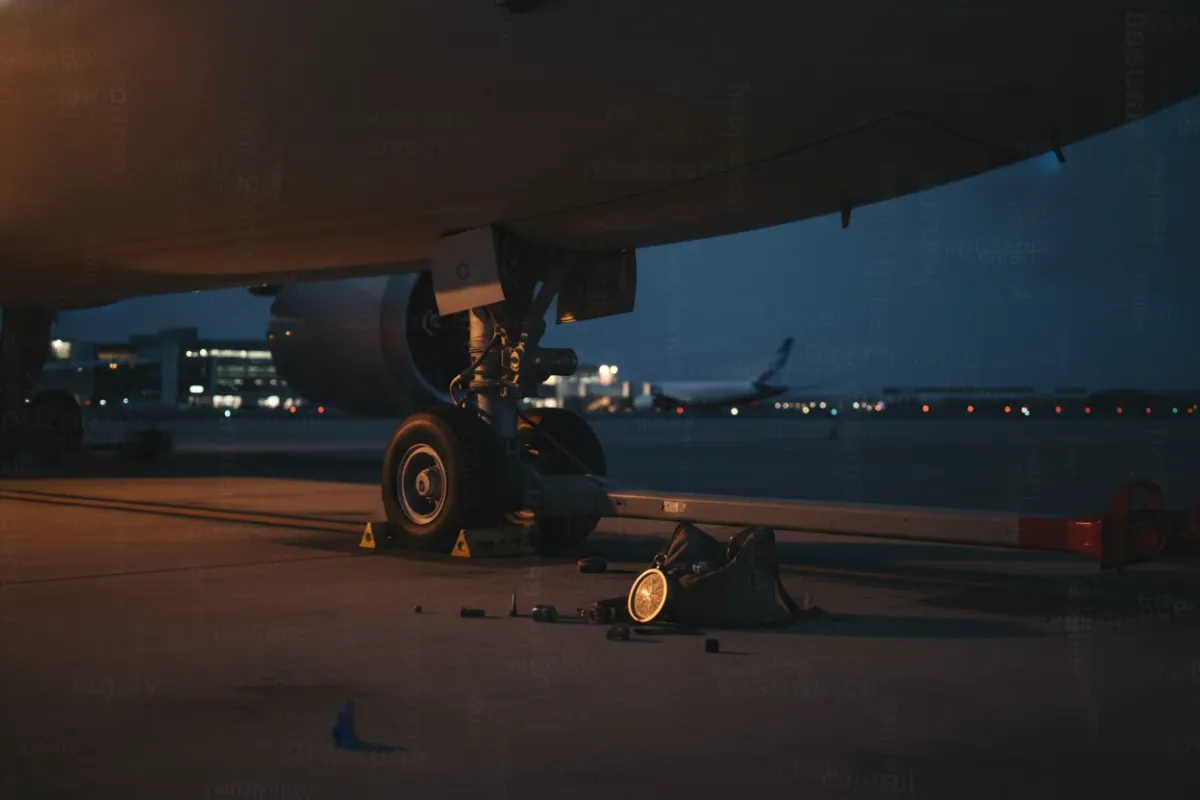
An aircraft sitting at the gate is generally considered the safest phase of any flight, which makes a nose landing gear collapse a notably rare and instructive event. A report describing a Lufthansa Boeing 787 whose front wheel assembly collapsed while parked — with no passengers reportedly on board and no injuries indicated — falls into a category of occurrences that aviation safety analysts study closely. FlySafe Research monitors ground-phase and operational events of this type because they offer clear, verifiable lessons about aircraft handling, maintenance practices, and ramp procedures.
The following analysis is based on the limited publicly reported details and on established industry knowledge regarding the Boeing 787 landing gear system. No determination of cause is made here; formal findings rest exclusively with the relevant national investigation authority.
What Was Reported
According to the publicly shared account, the front wheel — the nose landing gear — of a Lufthansa Boeing 787 collapsed suddenly while the aircraft was at or near a gate. Observers present described the event as occurring without warning. The account indicates that no passengers were believed to be on board at the time and expressed hope that no personnel were hurt.
These details are consistent with a ground occurrence rather than a flight event. The distinction matters: a nose gear collapse at the gate involves a stationary or low-speed aircraft, ground personnel, and ramp equipment, and it is investigated under occurrence-reporting frameworks rather than in-flight emergency procedures.
Operational status: A ground event of this nature typically removes the affected aircraft from service pending inspection, and may temporarily restrict the gate or stand involved until the airframe is recovered and the area is cleared.
Understanding the Boeing 787 Nose Landing Gear
The Boeing 787 nose landing gear is a forward-retracting, twin-wheel assembly that supports the front of the airframe on the ground, provides steering, and carries a portion of the aircraft's static weight when parked. Unlike the main gear, the nose gear is not designed to bear the majority of the aircraft's load, but it is essential for ground maneuvering and for maintaining the aircraft's level attitude at the stand.
A collapse of this assembly while stationary can arise from several broad categories of factors, each of which an investigation will examine independently:
Maintenance and Mechanical Factors
Landing gear systems undergo scheduled inspection intervals defined by the manufacturer's maintenance program. Components such as the gear's locking mechanism, downlock, actuator, and structural fittings are subject to fatigue monitoring and periodic overhaul. A failure of a downlock to remain engaged, or a structural component reaching the limit of its service life, can result in an unexpected retraction or collapse even at rest.
Ground Handling and Loading Factors
Aircraft on the ground are subject to weight-and-balance considerations. Significant changes in loading — for example during cargo operations or fuel transfer — alter the distribution of forces on the gear. Towing, pushback, and positioning operations also impose loads on the nose gear. Ramp procedures are specifically designed to keep these forces within certified limits.
Systems and Configuration Factors
Modern aircraft use ground-mode logic and weight-on-wheels sensing to prevent inadvertent gear retraction while on the ground. Investigations into stationary collapses frequently review whether systems were in the correct configuration and whether any maintenance activity was in progress that could have affected gear position.
Why Ground Events Matter for Safety Analysis
While a gate-side nose gear collapse rarely involves passenger injury, it carries meaningful operational and economic consequences. The affected airframe requires detailed structural inspection before returning to service, as a collapse can transmit loads through the forward fuselage. Ground personnel in the vicinity face a genuine hazard, which is why ramp safety zones and equipment positioning are strictly governed.
FlySafe analysis shows that ground-phase occurrences, although less visible than in-flight events, are a consistent focus of aviation regulators precisely because they are largely preventable through procedural discipline and maintenance rigor. Authorities such as the European Union Aviation Safety Agency publish Safety Information Bulletins and airworthiness directives when a recurring pattern is identified across a fleet, and the manufacturer issues service bulletins to address specific components.
Recommendation: For operators, the standard response to any landing gear occurrence is to verify compliance with the latest applicable airworthiness directives and service bulletins for the type, to confirm that downlock and configuration checks are being performed per procedure, and to reinforce ramp safety zone discipline so that personnel are not positioned beneath or immediately adjacent to load-bearing gear during ground operations.
What This Means for Passengers and the Public
For travelers, an isolated ground event of this kind does not indicate a systemic concern with the aircraft type. The Boeing 787 is a widely operated, type-certified aircraft, and individual ground occurrences are investigated on their own merits. Passengers who encounter schedule disruption following such an event are typically rebooked while the airline removes the affected airframe for inspection.
Anyone seeking authoritative information on aircraft safety records can consult the Aviation Safety Network database, which catalogs reported occurrences, or the relevant national investigation authority once a preliminary report is published.
Key Takeaway
A nose landing gear collapse at the gate is a rare, primarily ground-phase event with significant operational impact but, in this reported case, no indicated injuries and no passengers on board. The cause remains a matter for formal investigation. The lasting safety value lies in the maintenance, configuration, and ramp-procedure questions such events raise — questions that the aviation system is structured to answer methodically.
FlySafe Research continues to monitor publicly reported aviation occurrences, drawing exclusively on verifiable sources to provide clear, factual context. For ongoing analysis of operational and ground-safety events across global aviation, FlySafe offers data-driven briefings grounded in independently verifiable information.
Analysis based on publicly available data only. This bulletin does not constitute a determination of cause, which rests with the relevant national investigation authority.
- A nose gear collapse while parked is investigated under ground-occurrence frameworks, not in-flight emergency procedures — the distinction affects how the event is reported, who investigates it, and what remedies follow.
- The 787 nose gear's downlock mechanism and structural fittings are the primary failure candidates in a stationary collapse, since the nose gear carries only a fraction of the aircraft's weight but must maintain positive lock to stay extended.
Powered by B1KEY
Live tools behind the analysis.
The signals FlySafe writes about are also published live — continuously verified by the Sentinel pipeline.
Information is accurate as of the publication date. FlySafe uses exclusively publicly available data.