By: FlySafe Research
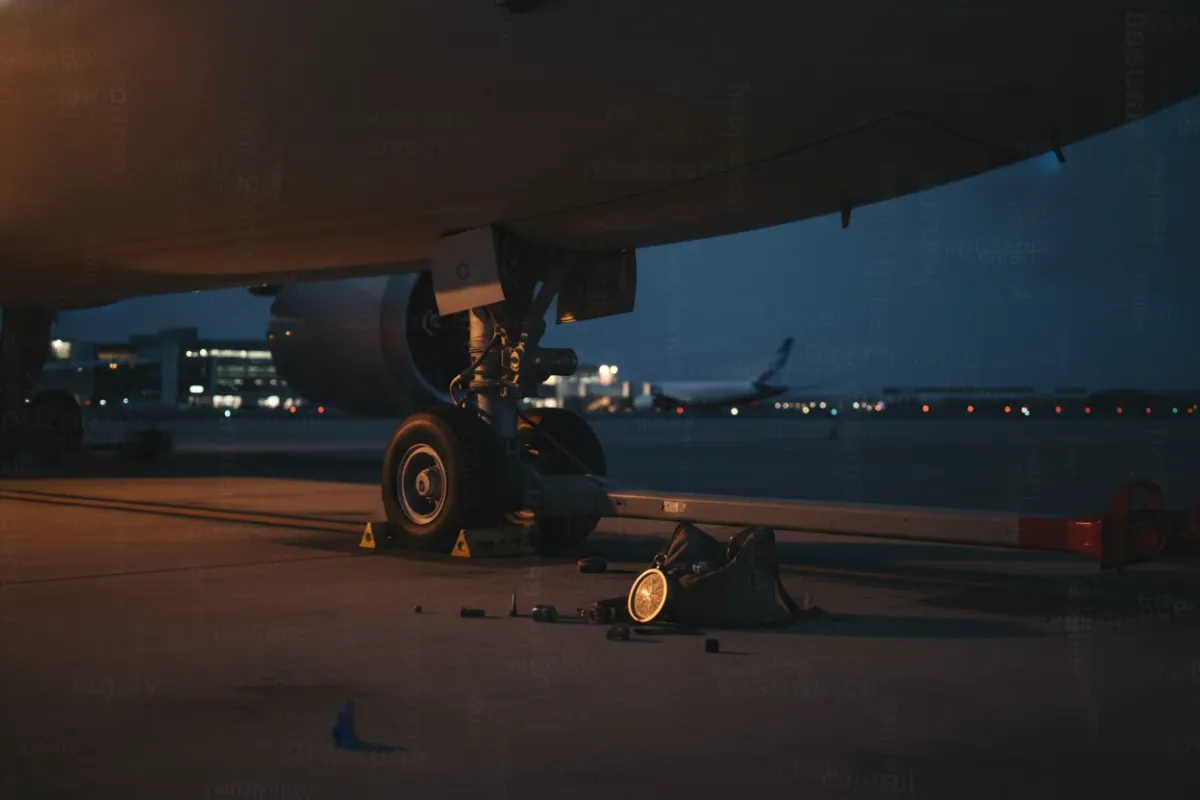
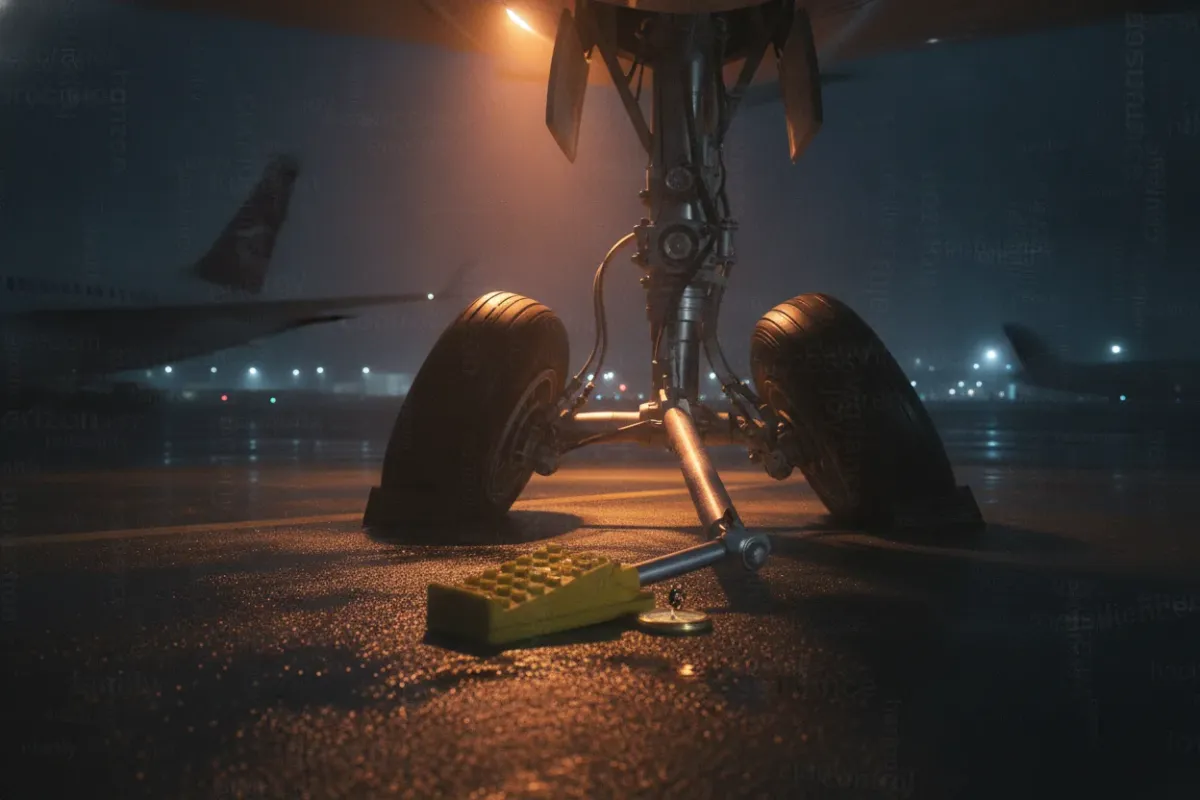
A video circulating on social media, originally posted by the account @ffm.aktuell, shows the front landing gear of a Boeing 787-9 collapsing during ground handling. The aircraft involved carries the registration D-ABPQ. The footage has prompted renewed attention to nose landing gear integrity, ground-handling procedures, and the post-event inspection regime that governs how such aircraft return to service. FlySafe analysis approaches the clip strictly as a ground-safety data point, drawing only on publicly available information rather than unverified commentary attached to the original post.
Airspace status: This event is a ground occurrence, not an airspace restriction. No FIR closures, route diversions, or NOTAM advisories are associated with the footage. The relevance for the wider aviation community lies in fleet airworthiness and ramp-safety practice, not in air traffic routing.
What the Footage Documents
The video captures the nose landing gear of a twin-aisle Boeing 787 failing to remain extended, with the forward fuselage settling toward the ground. The publicly circulated material does not establish the precise phase of operation, the loading state of the aircraft, or the maintenance status at the time. For that reason, any characterization beyond "a nose landing gear collapse involving registration D-ABPQ" extends past what the source material supports.
Nose landing gear collapse events fall into a well-documented category of ground occurrences. They typically arise from one or a combination of factors: incomplete down-and-locked indication, towing or pushback procedural deviations, hydraulic or mechanical fault in the gear actuation system, or structural overload. Determining which applies in any single case is the function of a formal investigation, not of video interpretation.
Why Nose Gear Integrity Matters
The nose landing gear on a large transport aircraft performs steering, supports a meaningful share of static load during ground operations, and absorbs dynamic loads on touchdown. A collapse on the ramp or during taxi can damage the forward pressure bulkhead area, the radome, sensors, and underlying systems, even when no occupants are affected. The cost and downtime of inspection and rectification are substantial, which is why operators treat any gear anomaly as a priority defect.
The Boeing 787 family uses an electric-centric architecture, but its landing gear actuation remains hydraulically driven, with redundant indication systems designed to confirm gear position. Manufacturers and regulators publish maintenance and inspection requirements addressing gear pins, downlock mechanisms, and towing limits. Operators are bound by these instructions for continued airworthiness, and deviations are tracked through each carrier's safety management system.
Ground-Handling and Procedural Context
A significant share of gear-related ground occurrences trace back to handling and procedural factors rather than in-flight events. Towing operations require correct fitment of ground locks, adherence to steering bypass procedures, and load and turn-radius limits. The European Union Aviation Safety Agency and the International Civil Aviation Organization both publish ramp-safety and ground-operations guidance that addresses these risks. Operators reinforce them through recurrent training, standardized tug procedures, and pre-movement checklists.
For airlines and handling agents, the practical lessons from any nose gear collapse are consistent: verify gear-pin status before and after movement, confirm downlock indication, respect towing speed and angle limits, and ensure clear communication between the flight deck, when occupied, and the ground crew. These are routine controls, but ground occurrences continue to demonstrate that procedural discipline is the primary defense.
Inspection and Return-to-Service Pathway
Recommendation: Following any landing gear collapse, the affected airframe is removed from service pending detailed structural and systems inspection. The pathway is defined by the manufacturer's structural repair and maintenance manuals and overseen by the operator's national airworthiness authority. Inspection scope commonly includes the gear assembly, attachment structure, surrounding fuselage zones, and any systems routed through the affected area. The aircraft returns to service only after documented sign-off against approved data.
For the wider fleet, a single event does not by itself indicate a systemic issue. Regulators monitor occurrence reporting to detect trends, and where a pattern emerges, the mechanism for fleet-wide action is the airworthiness directive or service bulletin. No such publicly issued directive can be inferred from the circulated footage alone, and none should be assumed.
Key Takeaway
The D-ABPQ footage documents a nose landing gear collapse on a Boeing 787-9 and serves as a reminder of how much ground safety depends on procedural rigor and inspection discipline. Beyond that, the publicly available material does not support firm conclusions about cause. Operators, handling agents, and observers are best served by waiting for the formal investigation record rather than relying on social-media interpretation.
Reference material on landing gear airworthiness and ground-operations safety is available from the European Union Aviation Safety Agency, the International Civil Aviation Organization, and the U.S. Federal Aviation Administration.
FlySafe Research continues to monitor verifiable, publicly reported occurrence data and to translate it into clear operational context for the aviation community. For ongoing analysis grounded only in independently verifiable sources, follow FlySafe.
Analysis based on publicly available data only. This bulletin does not assign cause or liability and does not substitute for official investigation findings.
- The footage shows a nose landing gear collapse on Boeing 787-9 D-ABPQ during ground handling, but the video alone cannot establish the cause — determining whether it was procedural deviation, hydraulic/mechanical fault, or structural overload requires a formal investigation, not video interpretation.
- A nose gear collapse on a wide-body can damage the forward pressure bulkhead, radome, and underlying systems even with no occupants aboard, making any gear anomaly a priority defect with substantial inspection and downtime costs.
Powered by B1KEY
Live tools behind the analysis.
The signals FlySafe writes about are also published live — continuously verified by the Sentinel pipeline.
Information is accurate as of the publication date. FlySafe uses exclusively publicly available data.