By: FlySafe Research
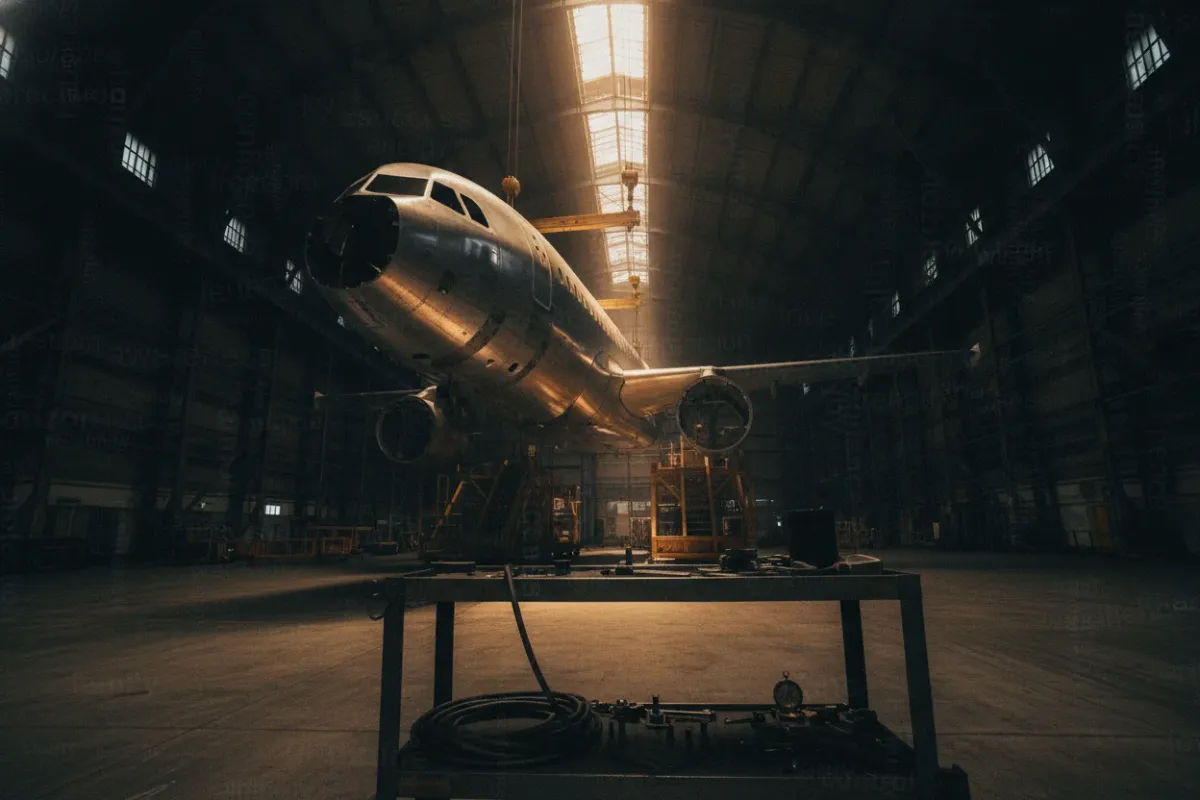
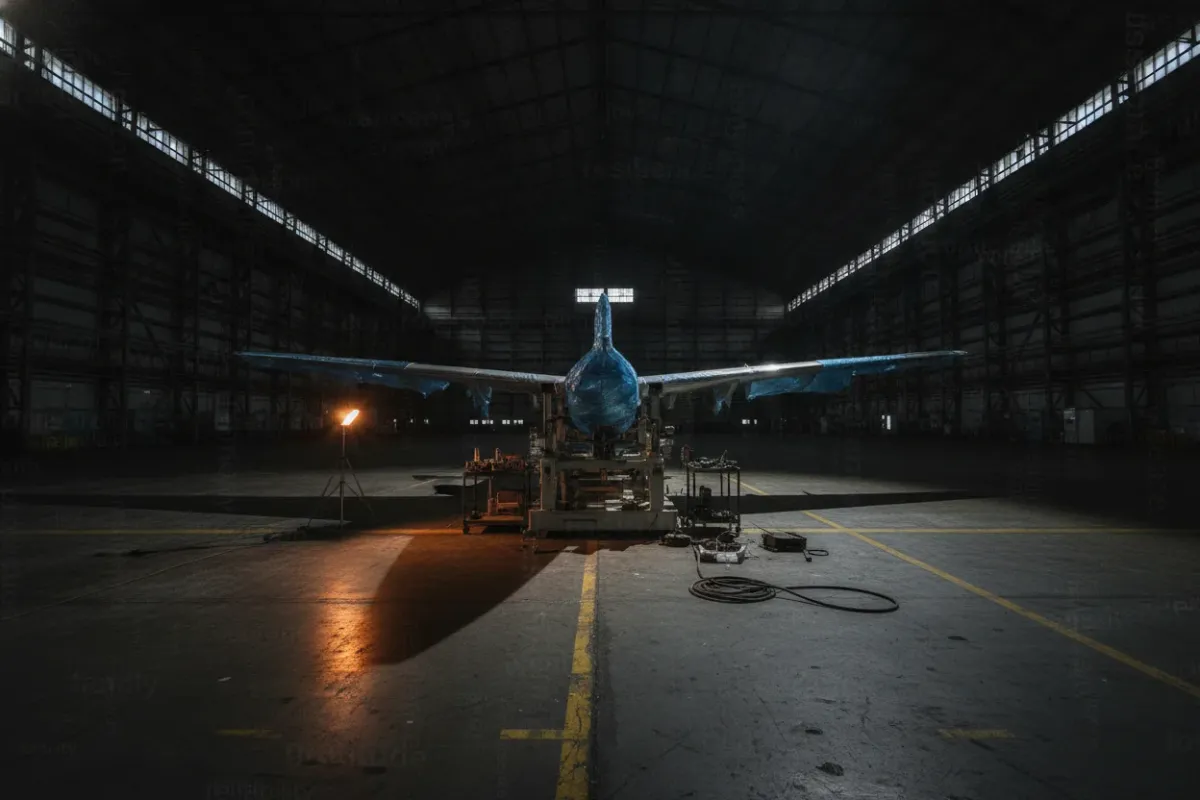
Airbus has brought its 10th A320 family final assembly line (FAL) into operation inside the Toulouse hall that was previously dedicated to the A380, marking one of the most visible capacity shifts in single-aisle aircraft manufacturing in recent years. The move converts a facility built for the world's largest passenger aircraft into output for the world's best-selling narrowbody family. FlySafe analysis shows that production-side developments of this scale carry downstream effects for fleet planning, route capacity, and the pace of older-aircraft retirement across the global network.
This bulletin examines the repurposing of the Toulouse site, the broader production ramp it supports, and the practical implications for airlines, lessors, and fleet planners. Analysis is based on publicly available data only.
From A380 to A320: A Strategic Repurposing
The hall now hosting the new A320 line is part of the Jean-Luc Lagardère site in Toulouse, the facility originally constructed to assemble the double-deck A380. Airbus confirmed the end of A380 production in 2019, with the final aircraft delivered to its launch customer in December 2021. That decision left a large, purpose-built assembly hall available for reconfiguration.
Repurposing existing infrastructure rather than constructing an entirely new building offers measurable advantages. The structure, utilities, and logistics access were already in place, and the surrounding Toulouse industrial ecosystem — suppliers, tooling partners, and a trained workforce — was already concentrated in the region. Converting the hall to single-aisle assembly allows Airbus to add throughput at a lower capital and time cost than a greenfield site would require.
The symbolism is notable. The A380 represented a bet on large-hub, high-density widebody travel. The A320 family represents the opposite trend that has dominated commercial aviation demand: efficient, flexible, point-to-point narrowbody operations. The physical conversion of one hall into the other captures a structural shift in how the industry has chosen to grow.
Inside the Production Ramp
The 10th FAL does not operate in isolation. Airbus assembles the A320 family across a network of sites including Toulouse (France), Hamburg (Germany), Mobile, Alabama (United States), and Tianjin (China). Distributing final assembly across multiple lines and geographies supports higher aggregate output and provides resilience against localized disruption at any single location.
Airbus has publicly stated a target of producing 75 A320neo family aircraft per month by 2027. Reaching that figure requires sustained increases in both assembly capacity and the supply chain that feeds it — engines, fuselage sections, wings, and avionics. The new Toulouse line is one component of that planned step-up. The A320neo family backlog, measured in the thousands of unfilled orders, underpins the rationale for adding lines; demand visibility extends years into the future.
For context on the program scale and current order status, Airbus publishes orders and deliveries data on its official corporate site. Independent industry coverage of the line opening was reported by AeroTime.
Production ramp-ups of this magnitude are rarely linear. Engine availability has been a recurring constraint across the narrowbody segment, and assembly capacity can only translate into deliveries when matched by component supply. The opening of a new line addresses one part of the equation — final assembly throughput — while supply-chain pacing remains the broader determinant of delivery rates.
What It Means for Fleet Planning
For airlines and lessors, additional assembly capacity affects the timeline for receiving ordered aircraft and, by extension, the speed at which carriers can renew or expand their fleets.
Narrowbody aircraft such as the A320neo family operate the majority of short- and medium-haul services worldwide, including dense intra-European, domestic, and regional international segments. Faster delivery of new-generation single-aisles allows carriers to add frequency, open thinner point-to-point markets, and replace older equipment on existing routes. Capacity growth in this segment tends to be distributed broadly rather than concentrated on a few corridors.
Fleet planners tracking delivery commitments should treat assembly-capacity announcements as one input among several. The binding constraint on near-term deliveries is frequently the supply chain — particularly engines and structural components — rather than final assembly slots alone. A new line raises the ceiling on output but does not by itself guarantee accelerated handovers.
The competitive backdrop is also relevant. The A320neo family competes directly with the comparable single-aisle product from the other major manufacturer, and production capacity is one of the levers by which order backlogs are converted into in-service aircraft. Carriers awaiting deliveries benefit when assembly bottlenecks ease.
Operational and Safety Considerations
Newer-generation narrowbody aircraft generally deliver improvements that are relevant to operational reliability and environmental performance. The A320neo family's re-engined design offers a meaningful reduction in fuel burn per seat compared with the prior-generation A320ceo, alongside reduced noise footprints. Faster fleet renewal therefore tends to shift the in-service fleet toward more efficient and, in many cases, more reliable equipment.
From an operational standpoint, a larger and more modern narrowbody fleet supports schedule resilience. Common type ratings across the A320 family allow flexible crew and aircraft assignment, and a deeper pool of available airframes can improve an operator's ability to recover schedules after disruption. These are structural benefits that accrue gradually as deliveries flow into airline fleets.
The relevance to operations is indirect and unfolds over multiple years as production translates into delivered aircraft.
Key Takeaway
The activation of a 10th A320 final assembly line inside the former A380 hall in Toulouse is a concrete signal of where commercial aviation demand has settled: efficient single-aisle aircraft, produced at scale, replacing both older narrowbodies and the very-large-aircraft concept the hall was originally built for. The near-term effect on deliveries will depend on how quickly the supply chain matches the expanded assembly capacity. For fleet planners, the development raises the upper bound on Airbus narrowbody output and reinforces the multi-year trajectory toward newer, more efficient fleets.
FlySafe will continue to monitor production-capacity developments and their downstream effects on fleet composition, route capacity, and operational reliability, drawing exclusively on publicly available, independently verifiable sources.
Analysis based on publicly available data only.
- Airbus converted the former A380 assembly hall in Toulouse into a 10th A320 FAL — repurposing existing infrastructure rather than building greenfield cuts both capital cost and time to capacity.
- Airbus targets 75 A320neo aircraft per month by 2027, with the new line being one piece of a multi-site ramp-up backed by a multi-thousand-unit backlog that gives demand visibility years out.
Powered by B1KEY
Live tools behind the analysis.
The signals FlySafe writes about are also published live — continuously verified by the Sentinel pipeline.
Information is accurate as of the publication date. FlySafe uses exclusively publicly available data.