By: FlySafe Research
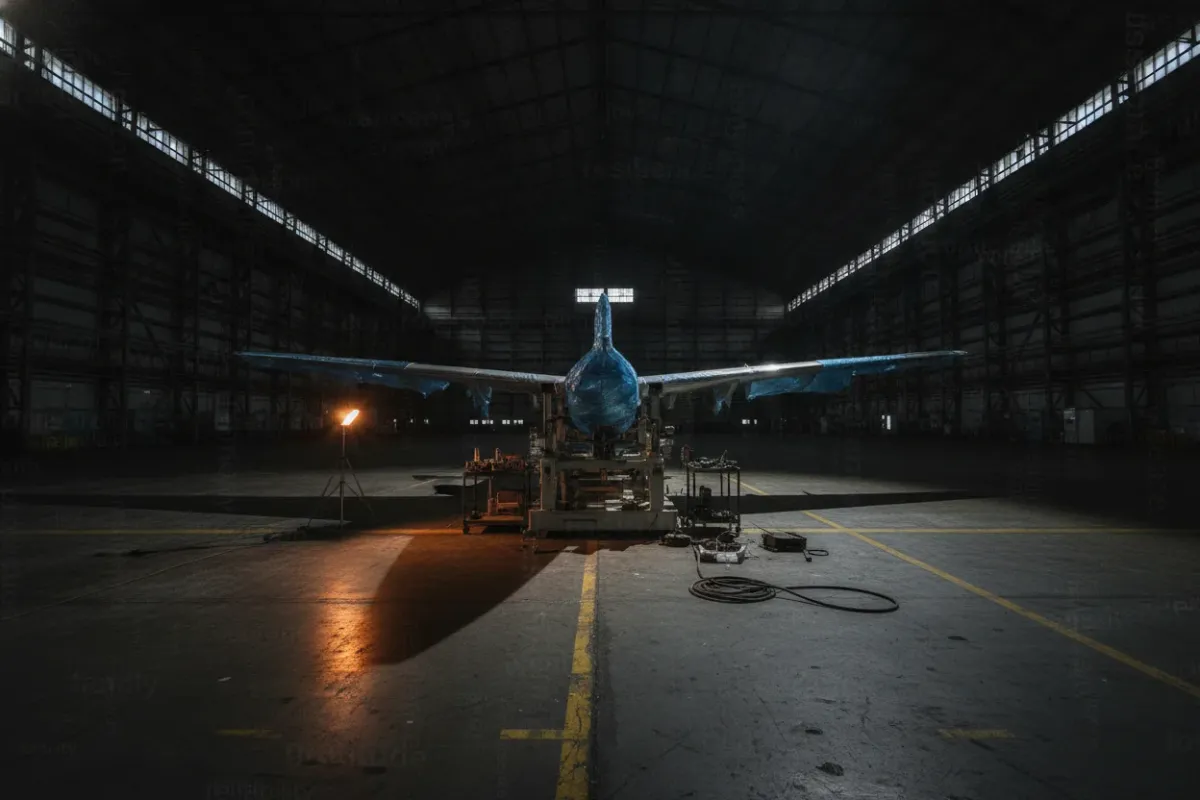
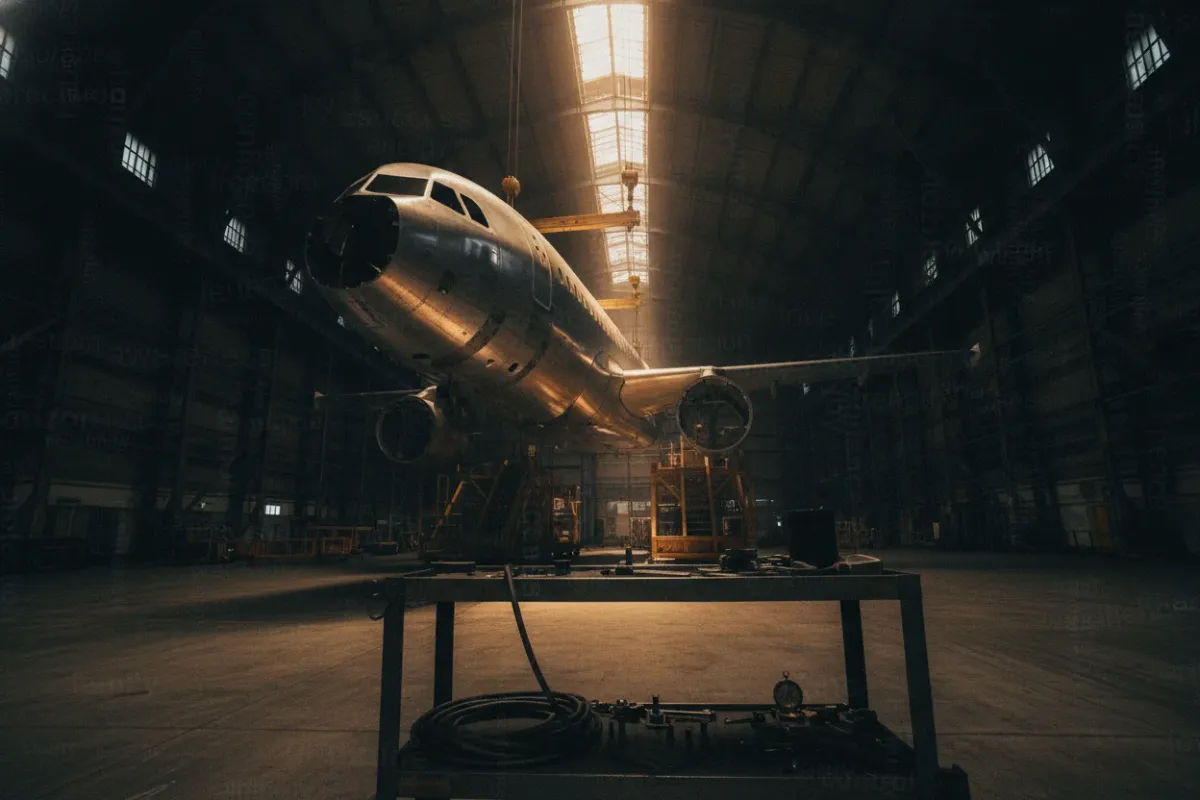
The largest aircraft assembly hall ever built in Europe has been given a new purpose. The Jean-Luc Lagardère complex in Toulouse, designed and constructed to assemble the double-deck A380, now hosts an Airbus A320 Family final assembly line — the tenth such line in the company's global narrowbody network. The conversion marks one of the most visible signals to date of how decisively the commercial aviation market has shifted from very large aircraft toward fuel-efficient single-aisle jets. FlySafe analysis shows that this repurposing is less a symbolic gesture than an industrial response to sustained, structural demand for the A320 Family.
This bulletin reviews what the new line means for production capacity, fleet planning, and the operational landscape that airlines navigate when ordering and integrating new narrowbody aircraft. Analysis is based on publicly available data only.
From Superjumbo to Single-Aisle: Why the Site Was Repurposed
The Jean-Luc Lagardère facility was purpose-built to bring together the enormous fuselage and wing sections of the A380, which arrived in Toulouse by sea, river barge, and road convoy. When Airbus confirmed the end of A380 production — with the final airframe delivered to Emirates in December 2021 — the hall became one of the most capable but underused assembly spaces in the industry.
Rather than leave that capacity idle, Airbus has reconfigured the building for the A320 Family, the company's best-selling product line. The decision reflects a clear market reality: demand has concentrated around single-aisle aircraft that serve short- and medium-haul routes with strong seat-mile economics. Where the A380 required high-density, long-haul trunk routes to fill more than 500 seats, the A320 Family fits the point-to-point networks that now dominate global traffic recovery and growth.
The reuse of existing infrastructure also shortens the timeline and reduces the capital required compared with building a new facility from the ground up. The hall already has the cranes, services, and logistics access needed for large-scale aircraft assembly.
A Tenth Line in a Global Production Network
The new line strengthens an A320 Family final assembly network that spans multiple continents. Airbus assembles single-aisle aircraft at sites in Toulouse (France), Hamburg (Germany), Tianjin (China), and Mobile, Alabama (United States). Distributing final assembly across regions gives the manufacturer resilience against localized disruption and brings production closer to key customer markets.
Adding a tenth line is directly tied to Airbus's publicly stated ambition to raise A320 Family output to a rate of 75 aircraft per month. Reaching that figure requires not only more assembly positions but also a supply chain capable of delivering fuselages, wings, engines, and cabin components at a matching cadence. Final assembly is the most visible stage, but it depends on synchronized output from sites across Europe and beyond.
For the wider industry, additional capacity matters because order backlogs for the A320 Family extend years into the future. A higher production rate is intended to shorten delivery wait times for airlines and lessors that have placed firm orders.
What It Means for Airlines and Fleet Planning
For carriers, more assembly capacity translates into a more predictable path to fleet renewal. The A320neo Family — comprising the A319neo, A320neo, and A321neo — is central to many airlines' plans to reduce fuel burn and per-seat operating costs. The A321neo, in particular, has attracted strong demand for its range and capacity on routes previously served by larger or older aircraft.
Affected fleet decisions: Airlines awaiting deliveries gain greater confidence that contracted aircraft will arrive on schedule, which supports planning for crew training, maintenance infrastructure, and route launches. Lessors, who supply a large share of the global narrowbody fleet, similarly depend on stable delivery streams to meet commitments to their airline customers.
Recommendation: Operators and planners monitoring fleet timelines are advised to track official Airbus delivery updates and order-book disclosures rather than projections, as production ramp-ups depend on supply-chain readiness that can shift quarter to quarter.
From a safety and standardization perspective, expanding output of a mature, type-certificated aircraft family carries operational advantages. The A320 Family benefits from decades of in-service experience, a large global pool of trained pilots and engineers, and established maintenance networks. Fleet commonality across the family allows airlines to pool crews and parts, which supports consistent operational standards.
A Marker of the Market's Direction
The transformation of the A380's former home into an A320 production hub is a concrete illustration of how the commercial market has rebalanced. Very large aircraft have given way to flexible, efficient single-aisle jets as the workhorses of global aviation. The same hall that once produced the world's largest passenger aircraft now contributes to the highest-volume product line in Airbus's history.
For aviation professionals, the key takeaway is straightforward: narrowbody capacity is being expanded methodically to meet a backlog measured in thousands of aircraft, and the reuse of premier infrastructure underscores the long-term confidence manufacturers place in single-aisle demand.
Further detail on Airbus's production network and rate ambitions is published directly by the manufacturer at the Airbus commercial aircraft site, and global fleet and order data are tracked by industry bodies such as IATA.
FlySafe will continue to monitor production milestones, delivery cadence, and fleet developments that shape the operational environment for airlines and passengers worldwide. Analysis is based on publicly available data only.
- The A380 assembly hall was repurposed for A320 production rather than left idle, because existing infrastructure (cranes, logistics, services) made conversion faster and cheaper than building a new facility — and demand has structurally shifted to single-aisle jets.
- The tenth A320 line is directly tied to Airbus's target of 75 aircraft per month, meaning the bottleneck is not just assembly positions but the entire supply chain's ability to deliver fuselages, wings, and engines at matching cadence.
Powered by B1KEY
Live tools behind the analysis.
The signals FlySafe writes about are also published live — continuously verified by the Sentinel pipeline.
Information is accurate as of the publication date. FlySafe uses exclusively publicly available data.